
Most website descriptions are not wrong. They are just forgettable. They sound broad, safe, and polished enough to pass, but not clear enough to make a visitor immediately understand what the business does and why it matters.
A website description generator helps you get past the blank page faster. The real value, though, is using it to tighten your positioning so your homepage, directory profiles, and SEO metadata all tell the same story.
In this guide
- What a strong website description should include
- How to generate clearer homepage copy
- How to adapt one message across multiple formats
- What to fix when your site sounds generic
What a Website Description Needs to Do
A strong website description should answer four questions quickly:
- what the business does
- who it helps
- what makes it different
- what outcome the customer gets
That is true whether you are writing:
- a homepage intro
- a short business profile
- a directory listing
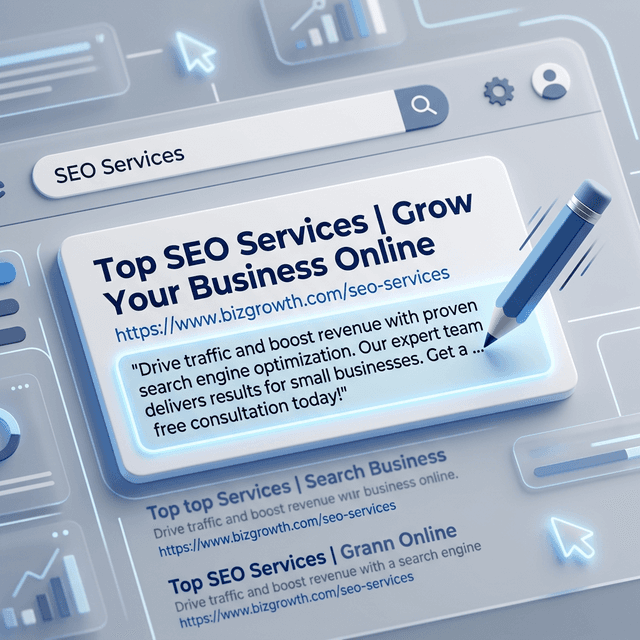
- a meta description for your main commercial page
The strongest pages keep that message consistent across every format. If your homepage says one thing and your search snippet says something else, trust gets weaker before the visitor even lands.
Free Website Description Generator
Free Tool
Generate website description ideas
Build homepage, directory, and SEO-friendly website descriptions from a few positioning inputs.
How to Get Better Output From the Generator
The tool works best when your inputs are specific.
Start With What You Actually Do
Avoid broad labels like:
- digital solutions company
- growth partner
- innovative platform
Say what you do in plain language instead. If you automate SEO workflows, say that. If you help agencies white-label audits, say that.
Define the Audience Clearly
Website descriptions improve fast when the audience is concrete:
- SaaS marketers
- local service businesses
- ecommerce teams
- SEO agencies
That one change usually makes the copy sound more grounded and believable.
Add One Real Differentiator
This is where most descriptions flatten out. They say the company helps clients grow, scale, or streamline, but they never explain what is actually different.
A differentiator might be:
- turning Search Console data into prioritized fixes
- combining technical SEO with automated content ops
- giving agencies a white-label reporting layer
The best differentiator is specific enough that a competitor could not swap their own name into the sentence.
One Message, Three Common Formats
The top-performing pages around this topic tend to satisfy three use cases:
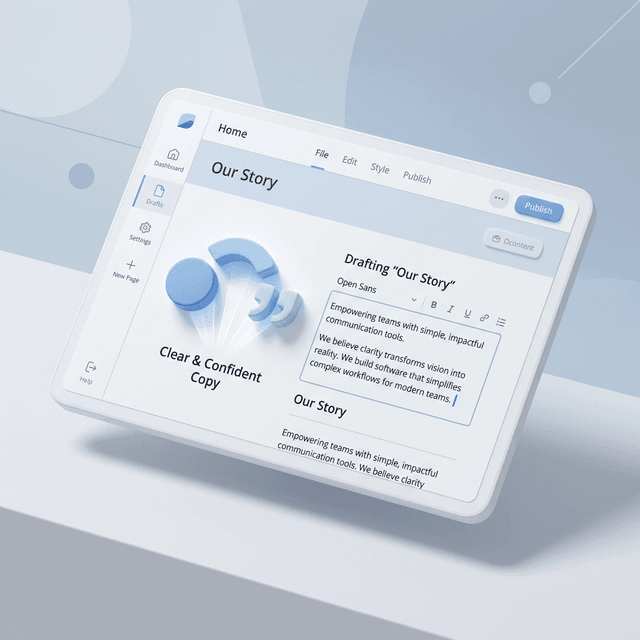
Homepage Description
This version can be slightly longer. It should orient the visitor and support the hero message.
Directory Description
This version is shorter and more direct. It often needs to fit in partner profiles, software directories, and listing pages.
SEO Meta Description
This version needs tighter length control and a stronger click-driven payoff.
That is why a good generator should not give you only one line. It should help you create multiple usable versions of the same positioning.
What Makes Website Copy Feel Strong Instead of Generic
- plain language
- one audience
- one differentiator
- one believable outcome
- no empty buzzwords
The emotional difference is clarity. When someone reads your site description and instantly gets what you do, confidence goes up. When they have to decode it, friction goes up.
For a stronger supporting workflow, pair this with your SEO content brief process and website taxonomy guide.
Common Website Description Mistakes
Saying Too Much at Once
If the description tries to cover every feature, audience, and use case, it loses force.
Leading With Company-Centric Language
Most visitors care less about what you built and more about what it helps them do.
Using Startup Cliches
Words like innovative, cutting-edge, seamless, and transformative rarely help unless you back them up with something concrete.
Forgetting the Search Snippet
Many teams rewrite homepage copy but leave the homepage meta description weak. That disconnect hurts click appeal and consistency.
A Practical Workflow for Rewriting a Website Description
- Write down your product or service in one plain sentence.
- Name the exact audience.
- Name the strongest differentiator.
- Name the outcome your customer cares about most.
- Generate homepage, directory, and meta versions.
- Cut any sentence that could belong to any company in your category.
If your positioning still feels vague after that, your problem is not copy alone. It is probably strategy, offer clarity, or audience focus.
How This Helps SEO
A website description generator does not create rankings by itself. It supports SEO by making your core pages easier to understand and more compelling to click.
That helps with:
- stronger homepage messaging
- cleaner metadata
- clearer internal anchor context
- tighter alignment between title tag, H1, and intro copy
If you want to clean up supporting page structure as well, connect this with your internal linking SEO guide and on-page SEO checklist.
Ready to Automate Your SEO?
AgenticSEO helps you move from vague SEO work to a tighter system built around Search Console signals, stronger page copy, and clearer execution.
Start your free AgenticSEO analysis workflow
Frequently Asked Questions
What is the difference between a website description and a meta description?
A website description usually refers to broader business or homepage copy. A meta description is the snippet written for search results. They should support the same positioning, but they are not always the same sentence.
Should my homepage description include my main keyword?
Usually yes, if it fits naturally and the keyword reflects what the page is actually targeting. The goal is clarity first, not stuffing the phrase into every line.
Can I use the same description everywhere?
You can reuse the same positioning, but each format should be adapted. Homepage intros, directory profiles, and SERP snippets have different length and context needs.
Key Takeaways
- A strong website description explains what you do, who you help, why you are different, and what outcome you create.
- The best generator output depends on specific inputs, not vague buzzwords.
- You usually need separate versions for homepage copy, directory listings, and SEO metadata.
- Clear positioning makes both users and search engines understand your site faster.