
URL optimization sounds simple because a slug looks small. In practice, it is tied to page targeting, site architecture, redirects, and user trust.
That is why it goes wrong so often. Teams chase prettier URLs, change slugs that were already working, and create a wave of redirects and broken internal links that never needed to happen.
In this guide
- What URL optimization actually means
- What makes a slug clean and readable
- When to change a URL and when to leave it alone
- How URLs fit into broader site architecture
What URL Optimization Is
URL optimization is the practice of making URLs clearer, more stable, and easier to understand for both users and search engines.
That usually means:
- readable words
- simple structure
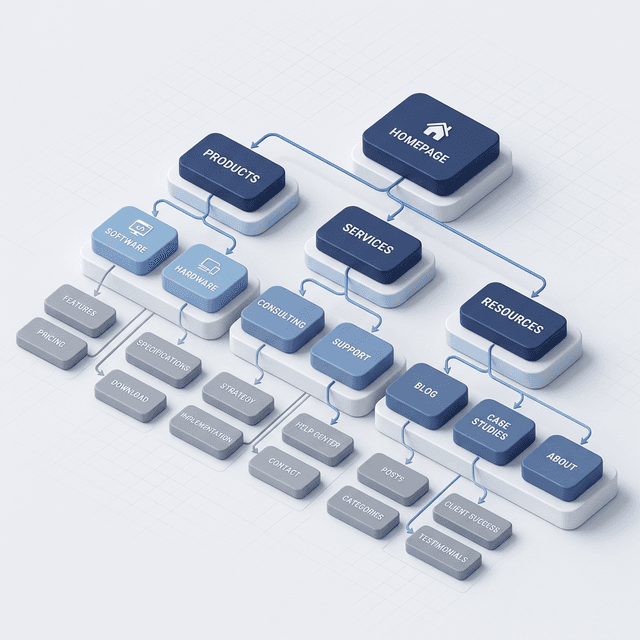
- logical folder paths
- no unnecessary clutter
- consistency across the site
It does not mean stuffing every possible keyword into the slug.
What Makes a Good URL
A strong URL is usually:
- short
- descriptive
- easy to scan
- consistent with the page topic
- aligned with the site structure
Examples of common improvements:
- remove unnecessary dates
- remove filler words when they add no value
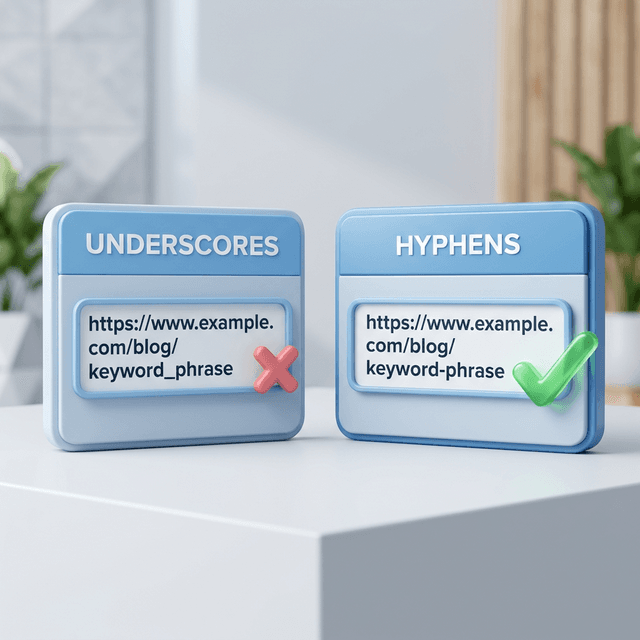
- use hyphens between words
- avoid long autogenerated IDs in public-facing slugs
If you are still debating punctuation and separators, the cleaner rule is already covered in hyphens in keywords SEO.
What Matters More Than a Pretty Slug
Stable URLs
Stability often matters more than perfection. A decent URL that already has history, links, and rankings is usually better than a cleaner new URL that requires a redirect.
Clear Site Structure
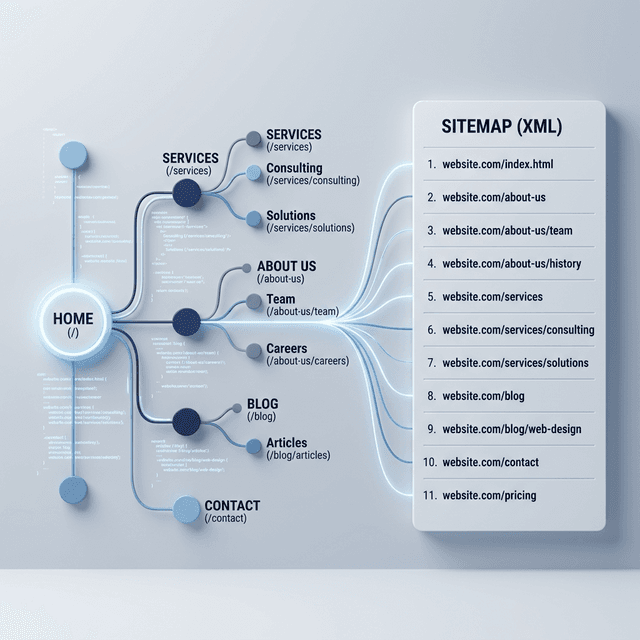
The slug is only part of the picture. Folder structure, parent sections, and internal links all shape how understandable the URL really is.
Search Intent Match
If the page solves the wrong problem, punctuation will not save it.
That is why URL work connects directly to website taxonomy, keyword mapping, and your on-page SEO checklist.
Common URL Optimization Mistakes
Changing URLs Too Often
Every URL change creates work:
- redirects
- internal link cleanup
- sitemap updates
- recrawl time
If the gain is cosmetic, the tradeoff is usually bad.
Stuffing Keywords Into the Slug
Long slugs packed with repeated terms rarely help. They usually make the URL harder to read.
Ignoring the Parent Structure
A short slug inside a messy folder structure is still a messy URL.
Leaving Parameter Clutter Everywhere
Not every parameterized URL needs optimization, but important public-facing URLs should stay as clean as possible.
When You Should Optimize a URL
Usually when:
- the current URL is unreadable
- the page target changed meaningfully
- the site structure is being rebuilt
- the page is new and has no history yet
Leave the URL alone when:
- it already ranks
- it already has links
- the improvement is mostly aesthetic
- the redirect and cleanup cost outweigh the gain
A Practical URL Review Checklist
- Does the URL clearly describe the page?
- Is the slug shorter without losing meaning?
- Does it use hyphens instead of awkward separators?
- Does it fit logically inside the site structure?
- If changed, do you have a redirect and internal-link update plan?
That last question matters the most.
URL Optimization and SEO Performance
A clean URL supports usability and clarity. It is not a shortcut that overrides weak content, weak intent matching, or poor technical setup.
Think of it as a supporting signal:
- useful when the page is new
- useful when the structure is messy
- useful when slugs are confusing
- much less important than the wrong page target or weak content
Ready to Automate Your SEO?
AgenticSEO helps you prioritize the structural SEO fixes that actually matter, so you do not burn time on cosmetic changes with weak payoff.
Start your free AgenticSEO analysis workflow
Frequently Asked Questions
Does changing a URL improve rankings?
Sometimes, but only when the current URL is genuinely problematic and the new structure supports a clearer page target. Changing a stable URL just to make it look cleaner often creates more risk than upside.
Should URLs include keywords?
Usually yes, but naturally and briefly. The goal is clarity, not stuffing. A short descriptive slug is better than a long keyword chain.
How short should a URL be?
Short enough to stay readable and clear. There is no perfect length, but shorter usually wins when meaning stays intact.
Key Takeaways
- URL optimization is about clarity, stability, and structure, not keyword stuffing.
- A clean slug helps, but it matters less than page intent and site architecture.
- Do not change stable URLs unless there is a clear reason and a redirect plan.
- Good URL decisions fit into a broader taxonomy and internal-link strategy.